Project
ECO village-housing
Client/location
City of Belgrade/Serbia
Category
[planning]
Year
2014
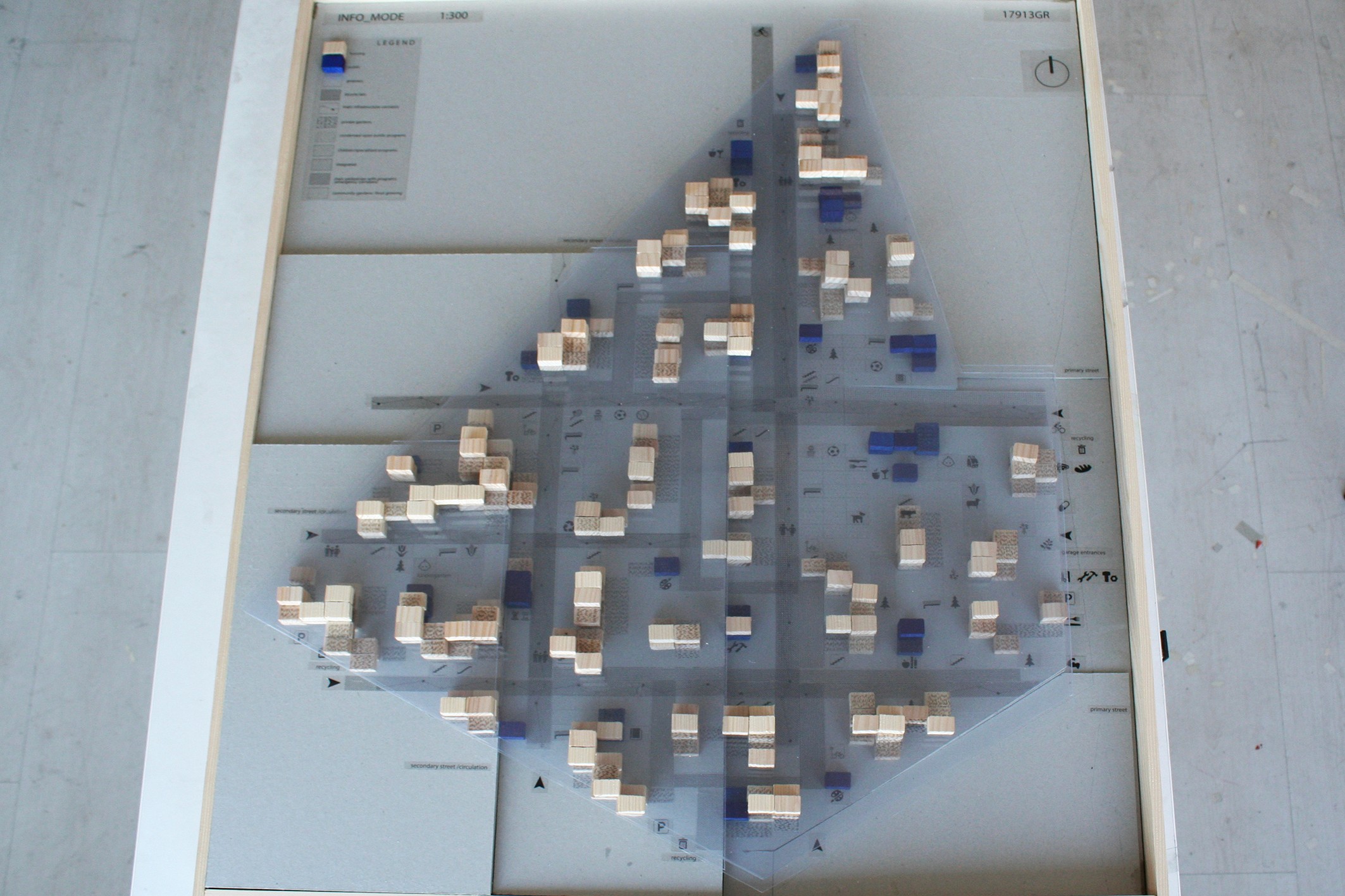
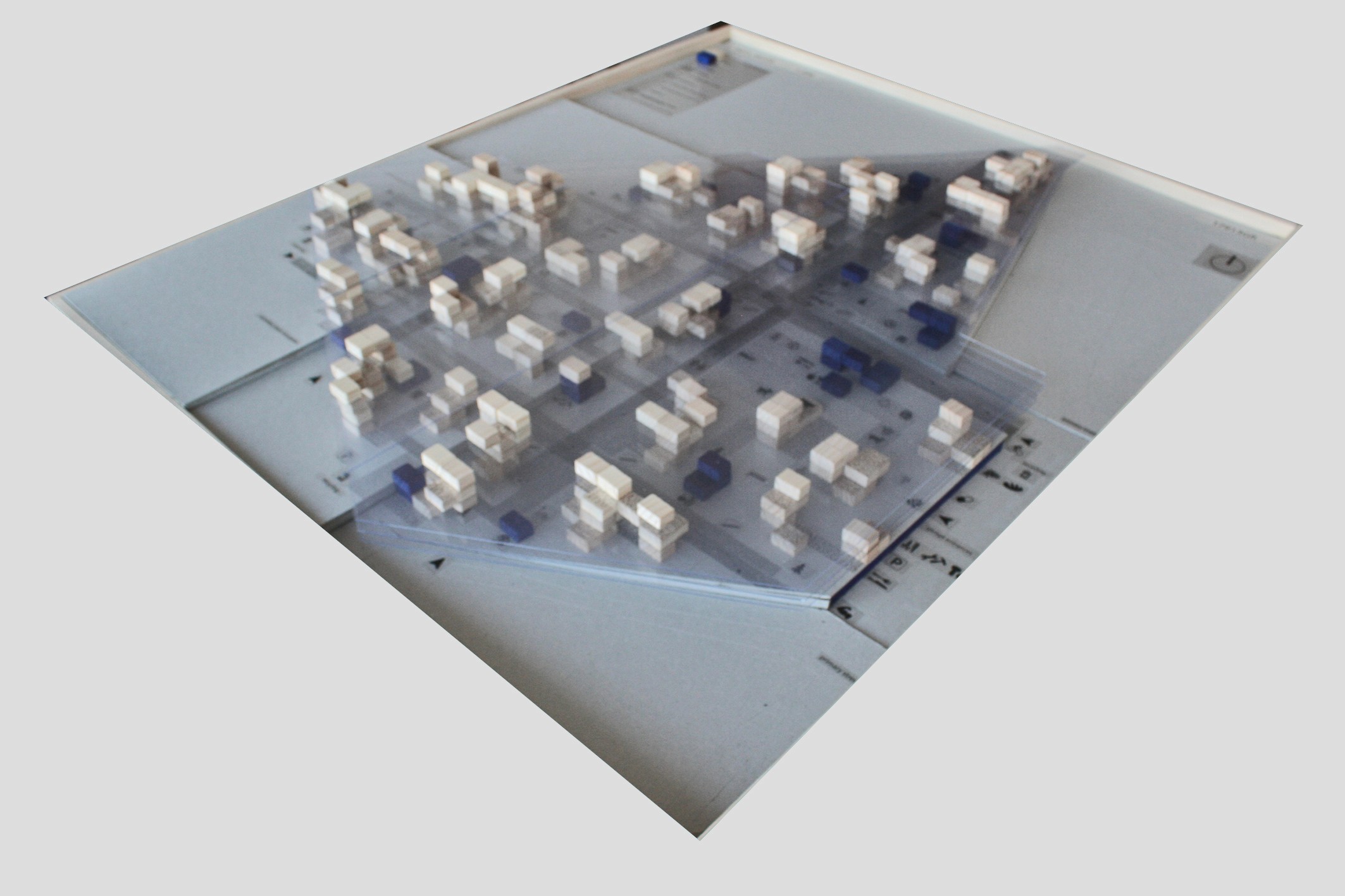
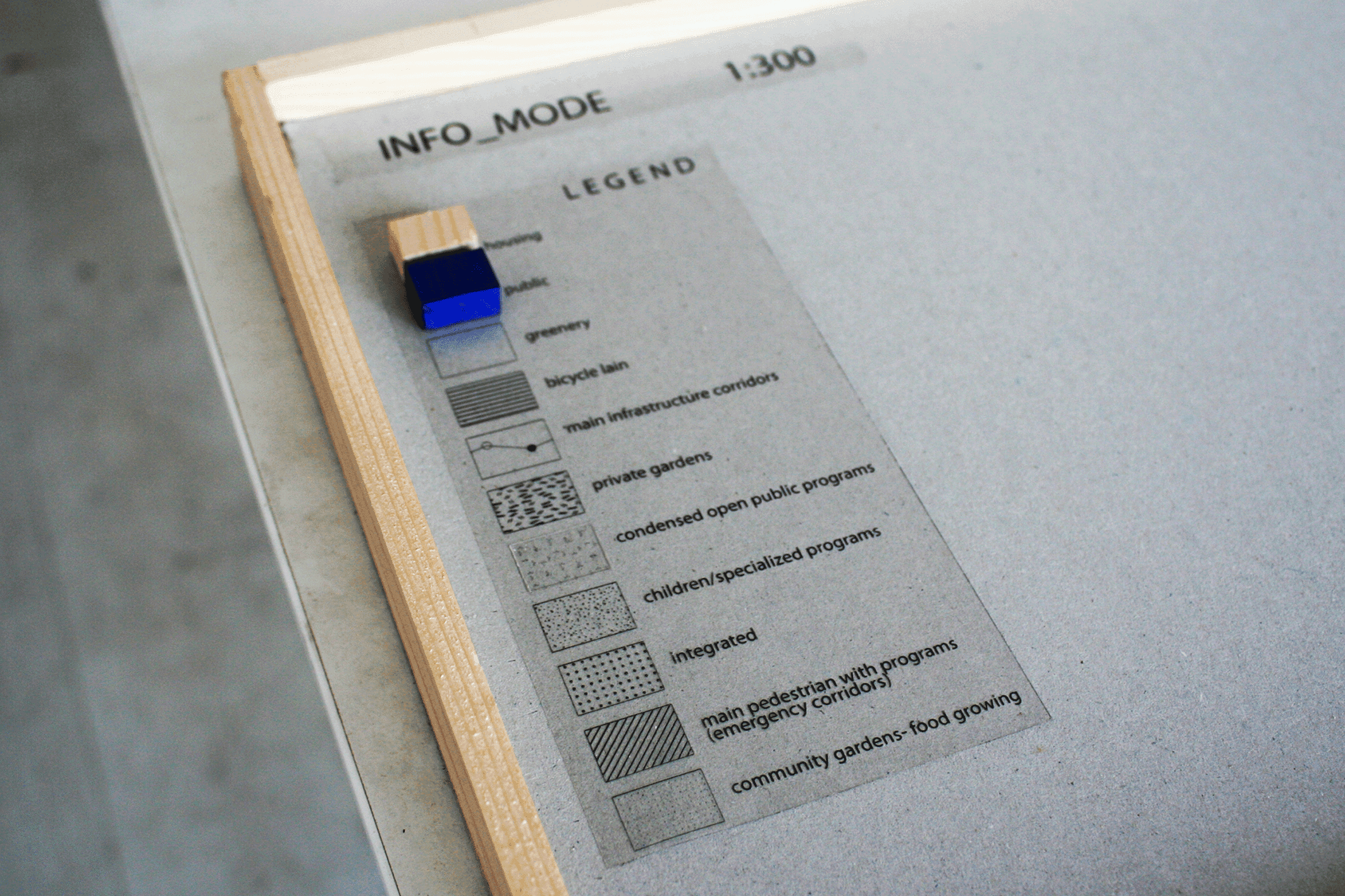
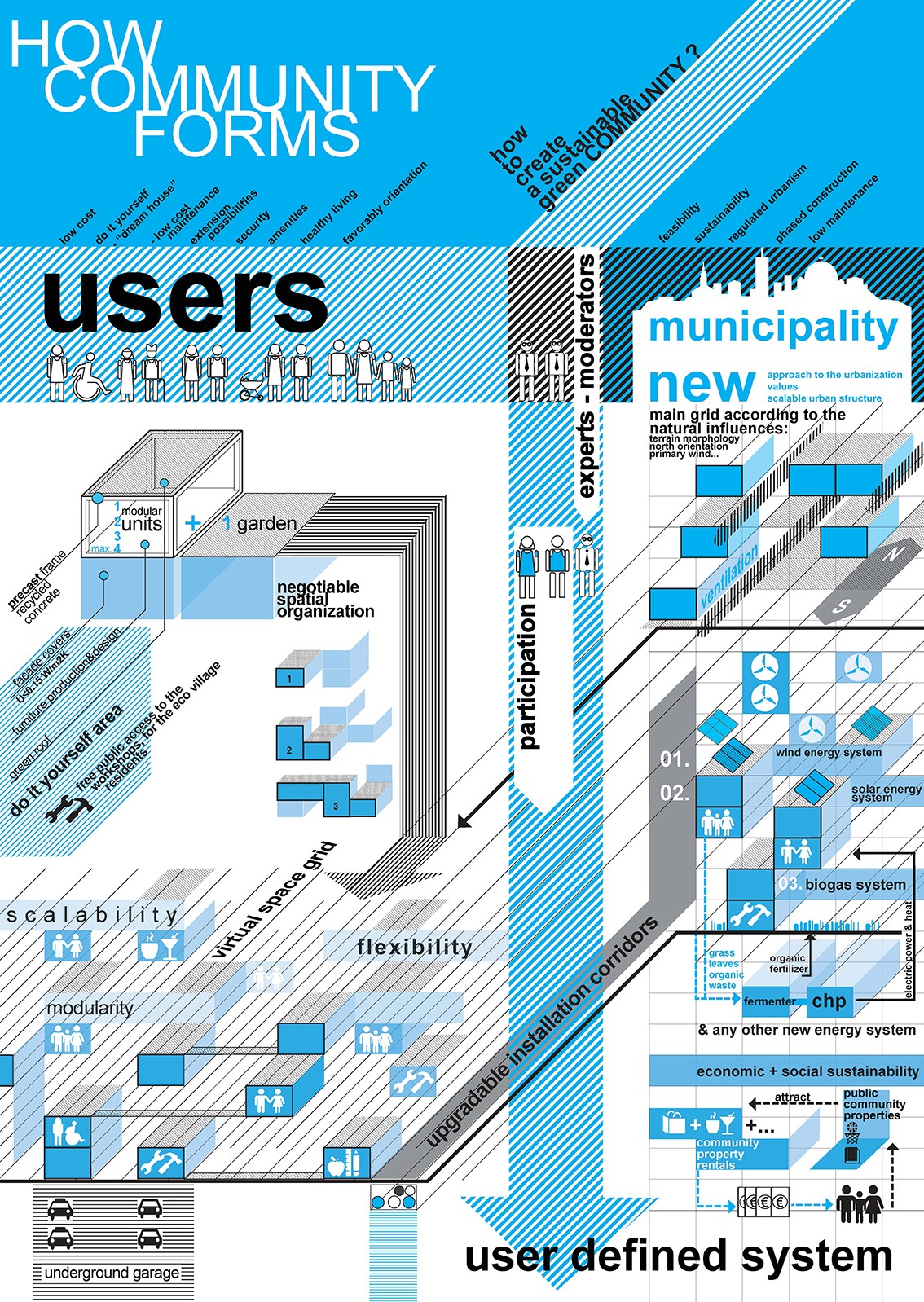
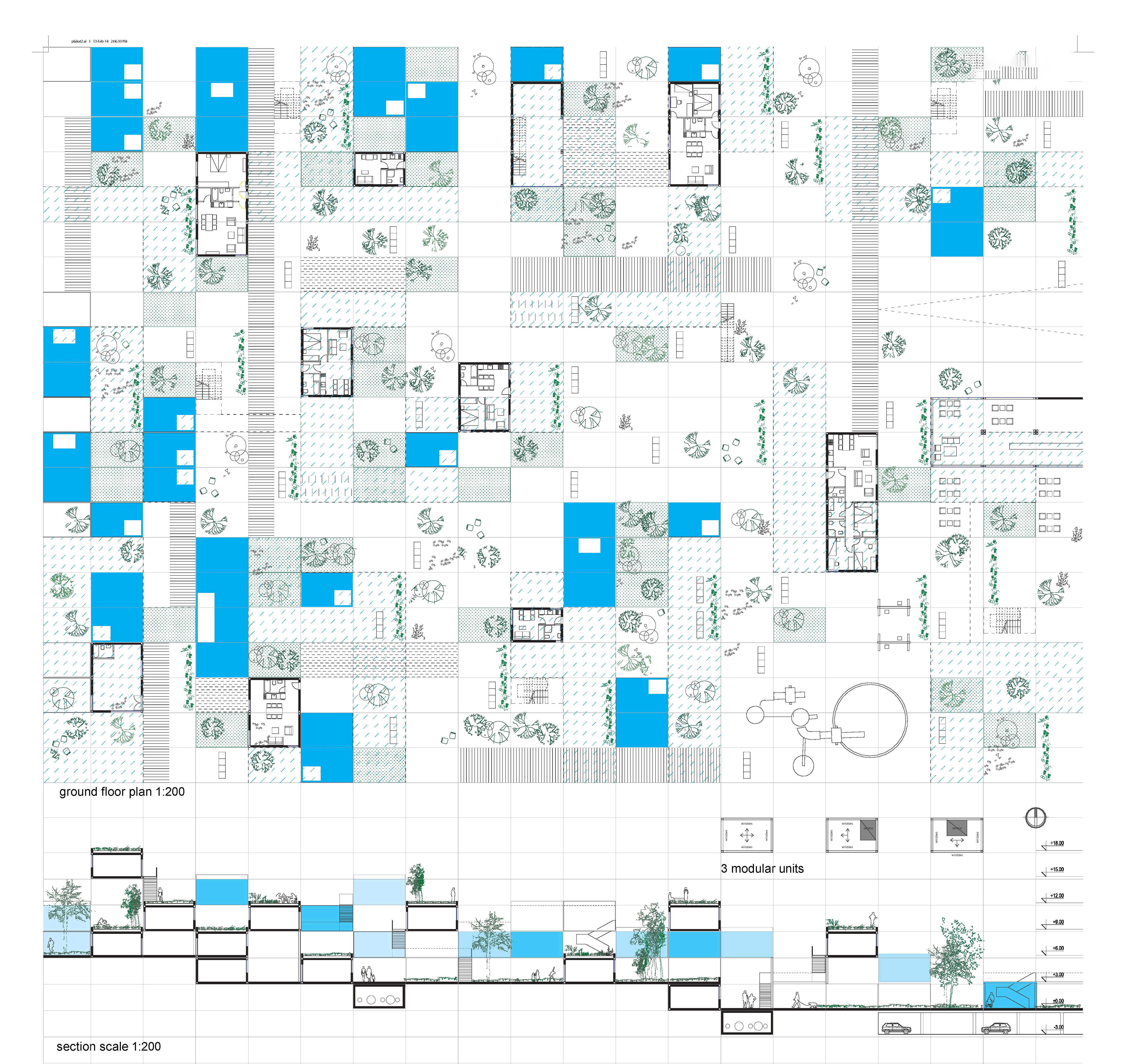
This project explores how to create an eco-community where community itself drives contemporary urban life. Rather than treating community as a result of development, we embed it directly into the building process, with the city acting as a platform that enables participation and collaboration. Dialogue and inclusion form a new kind of infrastructure - one that supports active engagement while allowing residents to shape and personalize their spaces. The model aligns the city’s goals of sustainability, affordability, and quality with residents’ everyday needs and identities. We expand the idea of infrastructure beyond construction systems to include collective ownership and shared management as foundations for long-term social cohesion. Flexibility moves beyond adaptable housing units to encompass flexible social and economic relationships — spaces that can expand, contract, and evolve over time in response to context and community dynamics. Community is not an addition to architecture - it is framework.
This project explores how to create an eco-community where community itself drives contemporary urban life. Rather than treating community as a result of development, we embed it directly into the building process, with the city acting as a platform that enables participation and collaboration. Dialogue and inclusion form a new kind of infrastructure - one that supports active engagement while allowing residents to shape and personalize their spaces. The model aligns the city’s goals of sustainability, affordability, and quality with residents’ everyday needs and identities. We expand the idea of infrastructure beyond construction systems to include collective ownership and shared management as foundations for long-term social cohesion. Flexibility moves beyond adaptable housing units to encompass flexible social and economic relationships — spaces that can expand, contract, and evolve over time in response to context and community dynamics. Community is not an addition to architecture - it is framework.
This project explores how to create an eco-community where community itself drives contemporary urban life. Rather than treating community as a result of development, we embed it directly into the building process, with the city acting as a platform that enables participation and collaboration. Dialogue and inclusion form a new kind of infrastructure - one that supports active engagement while allowing residents to shape and personalize their spaces. The model aligns the city’s goals of sustainability, affordability, and quality with residents’ everyday needs and identities. We expand the idea of infrastructure beyond construction systems to include collective ownership and shared management as foundations for long-term social cohesion. Flexibility moves beyond adaptable housing units to encompass flexible social and economic relationships — spaces that can expand, contract, and evolve over time in response to context and community dynamics. Community is not an addition to architecture - it is framework.
Credits
Credits
with Vladimir Cvejic, Ivana Barandovski