Project
Chemical Technology University
Client/location
University of Chemical Technology/Czech republic
Category
[architecture]
Year
2026
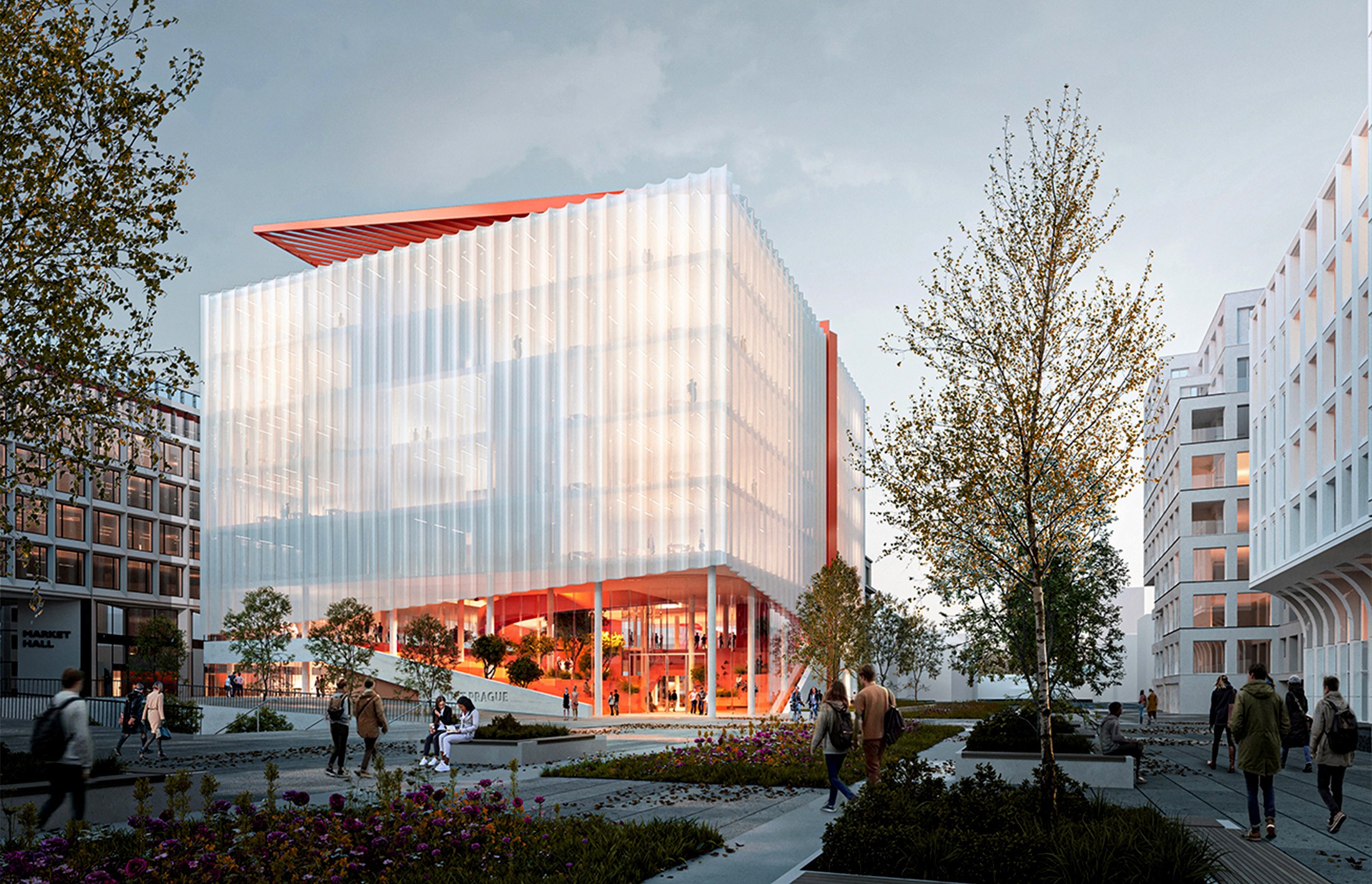
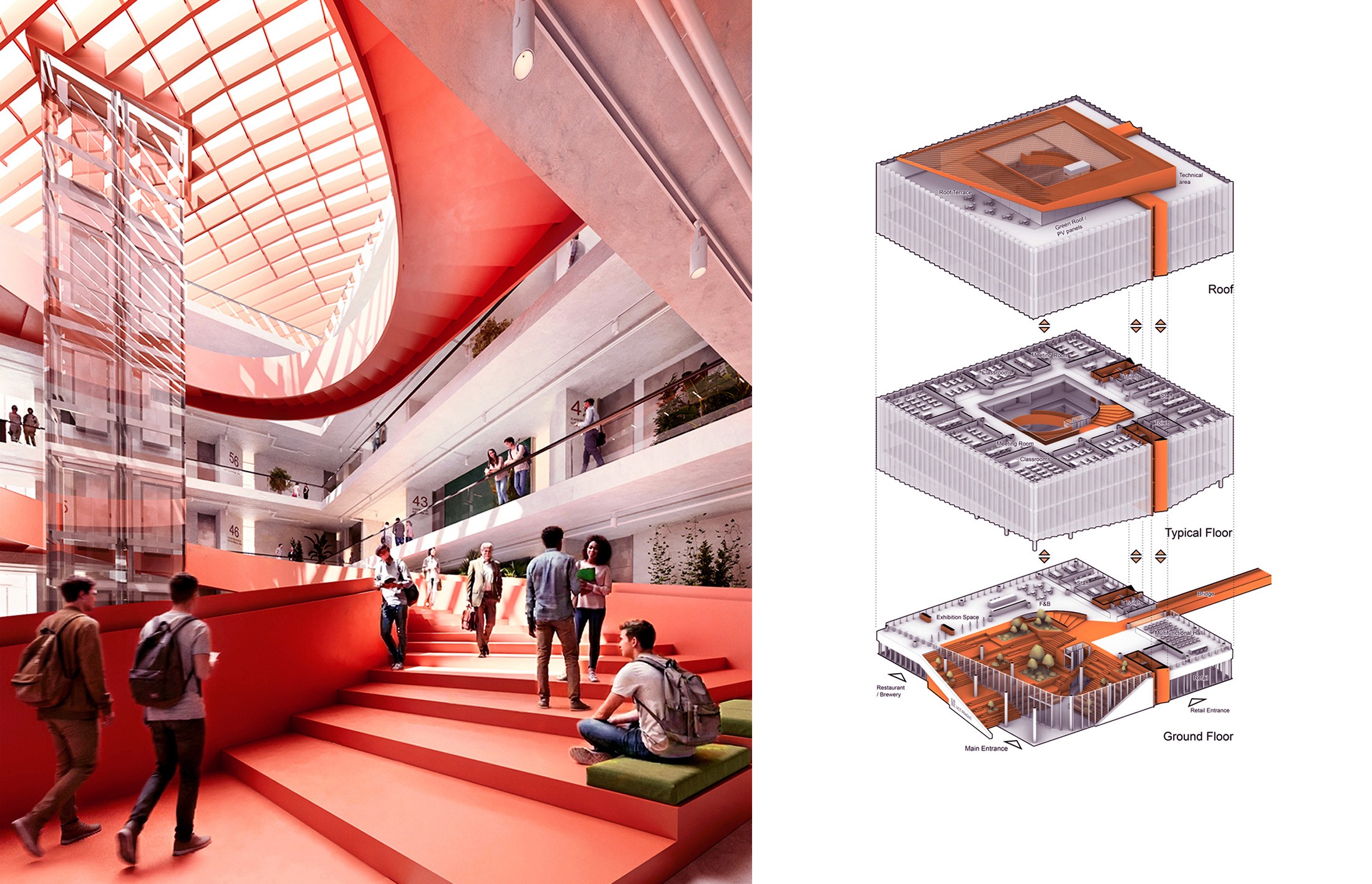
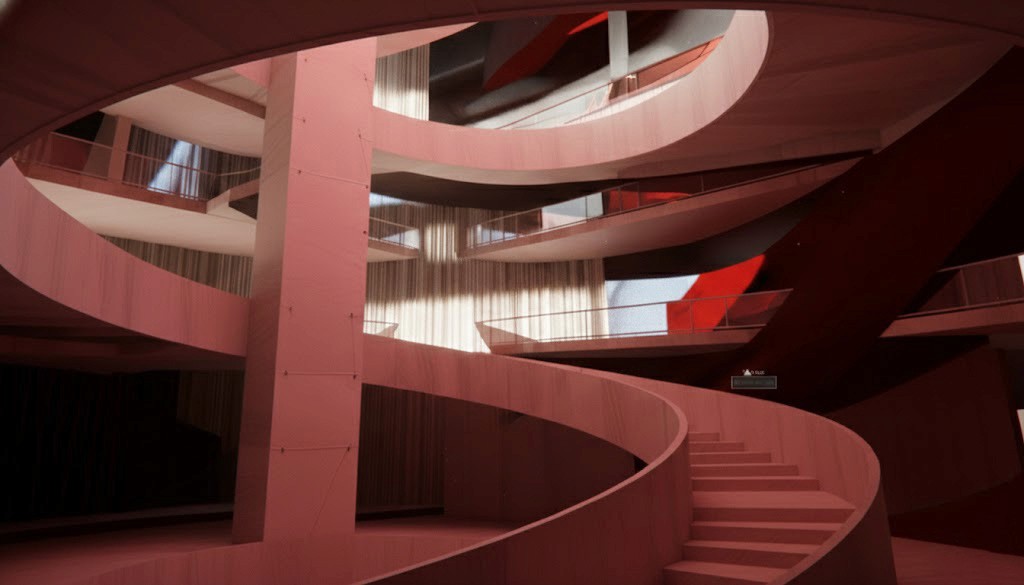
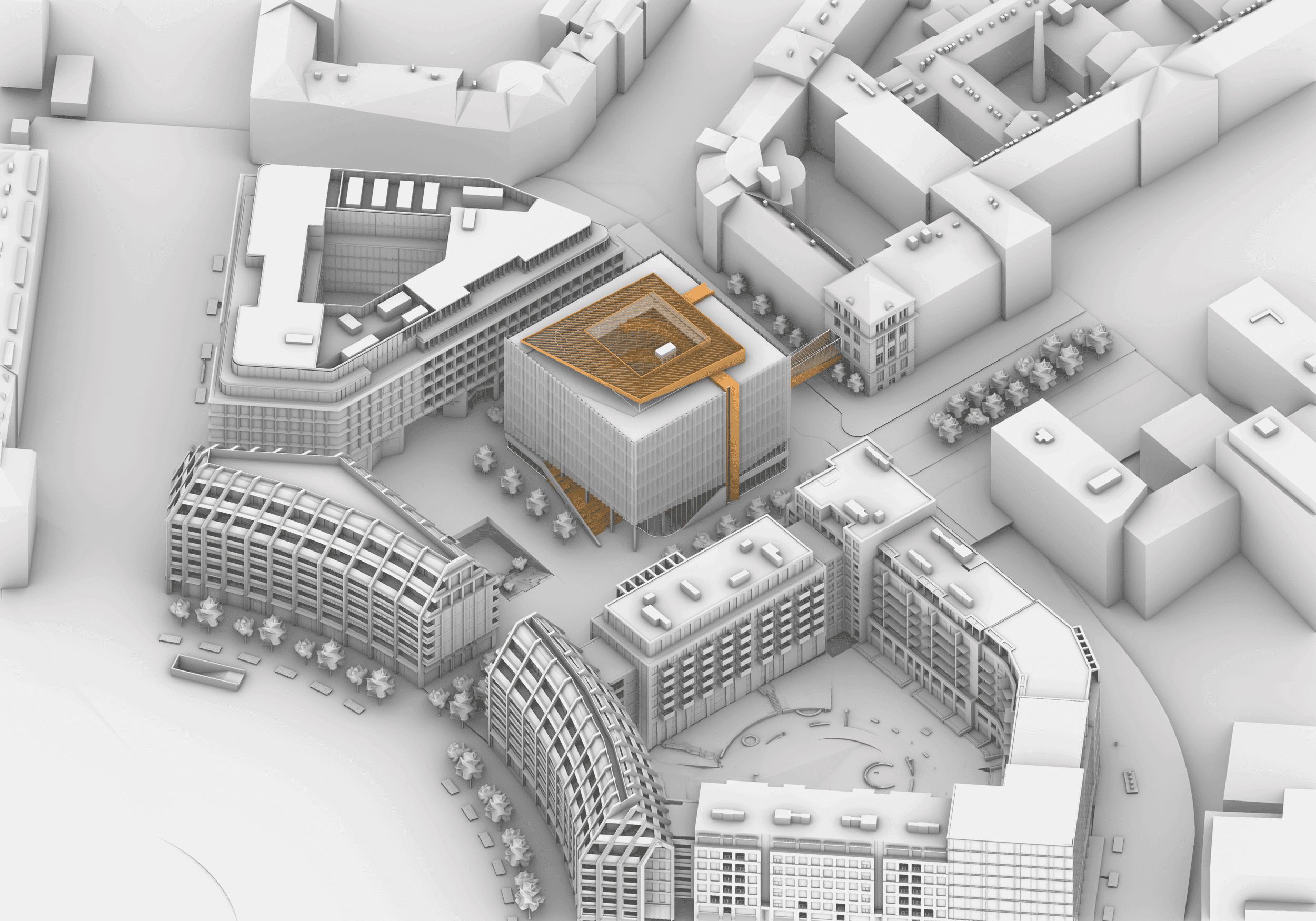
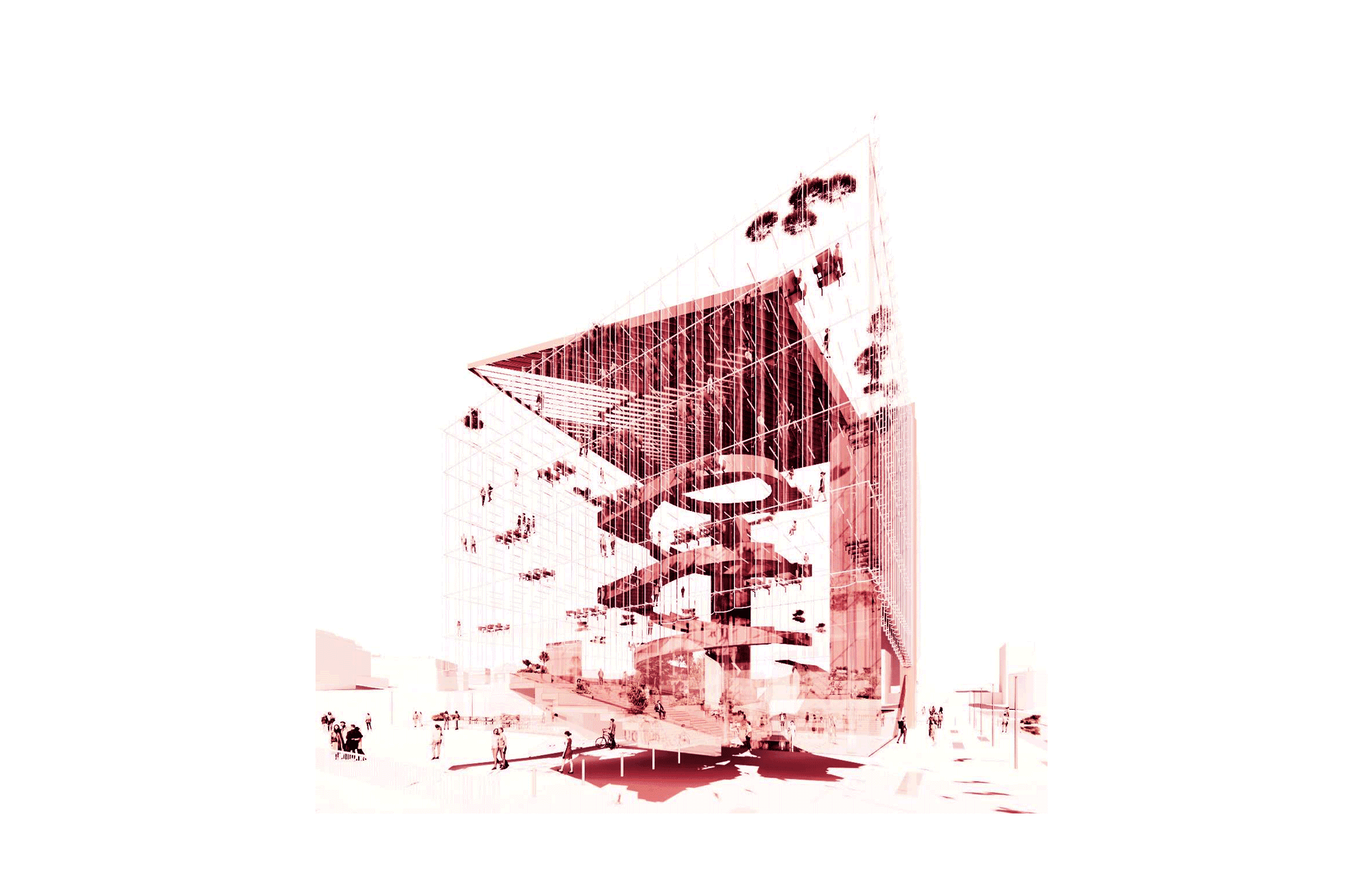
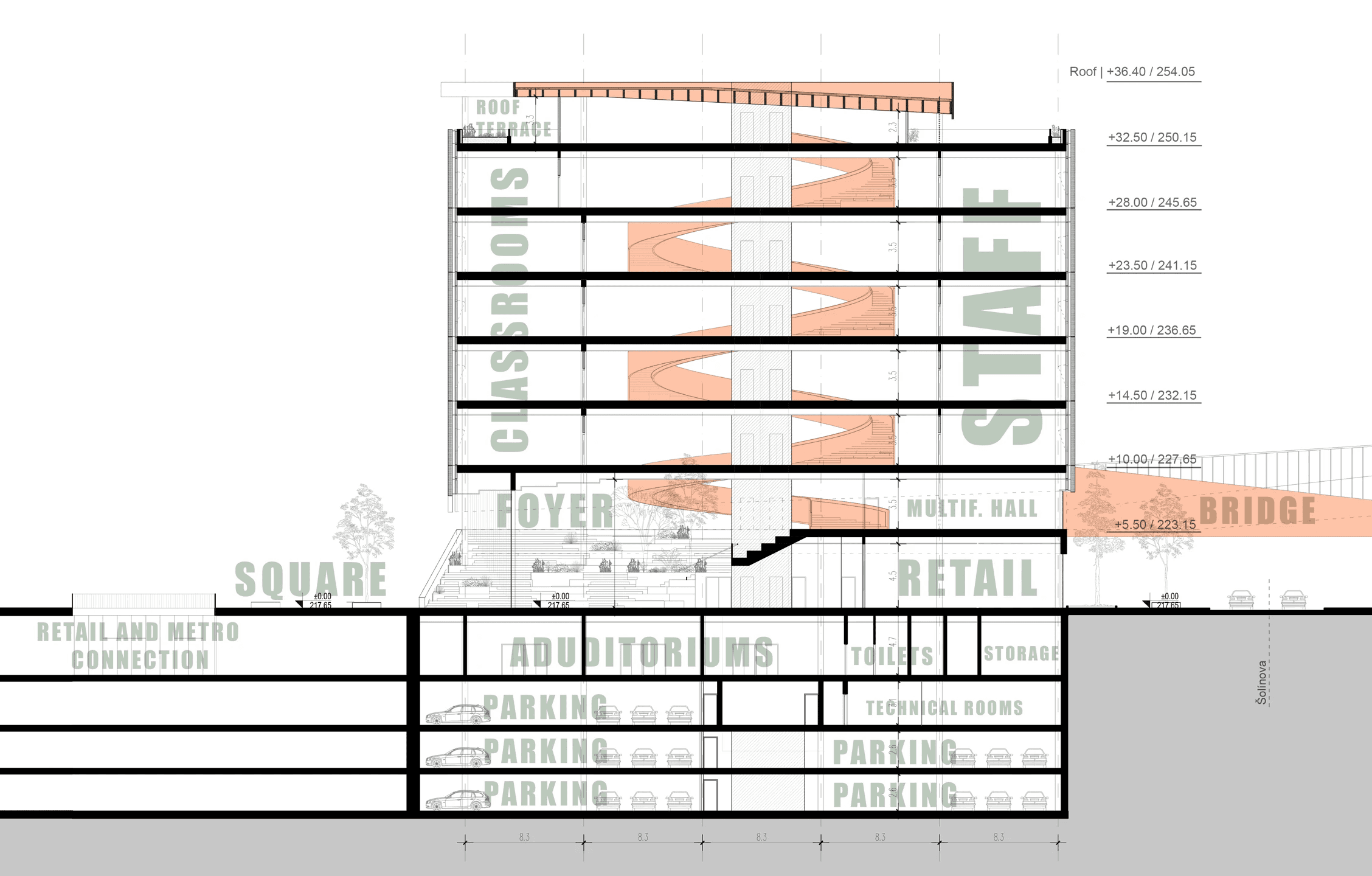
Competition Entry | Shortlisted project The architecture of the university building is conceived around openness—both as a spatial quality and as a cultural gesture. As a defining element of the new square, the building emerges as a recognizable urban landmark that anchors the public space with an identity connecting academic and urban character. The design dissolves the boundary between the city and the campus, creating permeable edges that encourage movement, encounters, and exchange. Transparency—through glass, visual connections, and framed views—extends the life of the square into the interior of the building, while internal activities open outward, linking education with everyday urban life. Circulation routes and sightlines are organized as a fluid narrative that naturally guides visitors from the square and surrounding streets into the central atrium and educational spaces. The building thus “wraps around” daily life rather than separating itself from it, presenting knowledge not as an isolated activity but as a shared and visible process. This architectural openness fosters a new relationship between knowledge and creativity—collaborative, accessible, and continuous with the rhythm of the city. The university becomes not only a place of study, but also a civic space for dialogue, imagination, and cultural exchange. Sub-consultants: Bollinger+Grohmann - Structural design BWK - MEP building services
Competition Entry | Shortlisted project The architecture of the university building is conceived around openness—both as a spatial quality and as a cultural gesture. As a defining element of the new square, the building emerges as a recognizable urban landmark that anchors the public space with an identity connecting academic and urban character. The design dissolves the boundary between the city and the campus, creating permeable edges that encourage movement, encounters, and exchange. Transparency—through glass, visual connections, and framed views—extends the life of the square into the interior of the building, while internal activities open outward, linking education with everyday urban life. Circulation routes and sightlines are organized as a fluid narrative that naturally guides visitors from the square and surrounding streets into the central atrium and educational spaces. The building thus “wraps around” daily life rather than separating itself from it, presenting knowledge not as an isolated activity but as a shared and visible process. This architectural openness fosters a new relationship between knowledge and creativity—collaborative, accessible, and continuous with the rhythm of the city. The university becomes not only a place of study, but also a civic space for dialogue, imagination, and cultural exchange. Sub-consultants: Bollinger+Grohmann - Structural design BWK - MEP building services
Competition Entry | Shortlisted project The architecture of the university building is conceived around openness—both as a spatial quality and as a cultural gesture. As a defining element of the new square, the building emerges as a recognizable urban landmark that anchors the public space with an identity connecting academic and urban character. The design dissolves the boundary between the city and the campus, creating permeable edges that encourage movement, encounters, and exchange. Transparency—through glass, visual connections, and framed views—extends the life of the square into the interior of the building, while internal activities open outward, linking education with everyday urban life. Circulation routes and sightlines are organized as a fluid narrative that naturally guides visitors from the square and surrounding streets into the central atrium and educational spaces. The building thus “wraps around” daily life rather than separating itself from it, presenting knowledge not as an isolated activity but as a shared and visible process. This architectural openness fosters a new relationship between knowledge and creativity—collaborative, accessible, and continuous with the rhythm of the city. The university becomes not only a place of study, but also a civic space for dialogue, imagination, and cultural exchange. Sub-consultants: Bollinger+Grohmann - Structural design BWK - MEP building services