Project
Besa Museum
Client/location
Ministry of Culture/Albania
Category
[architecture]
Year
2023 [CHAP/CBH]
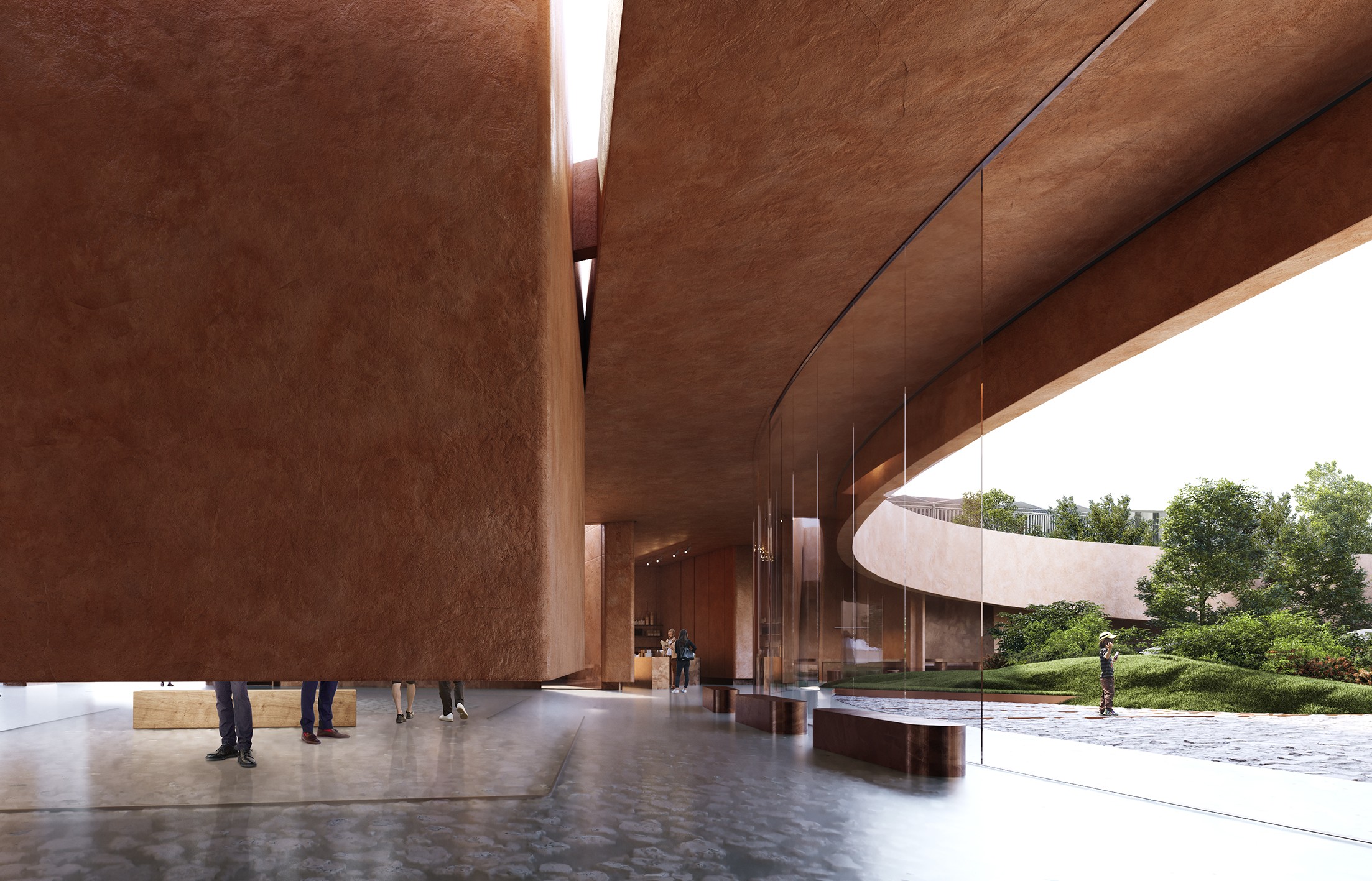
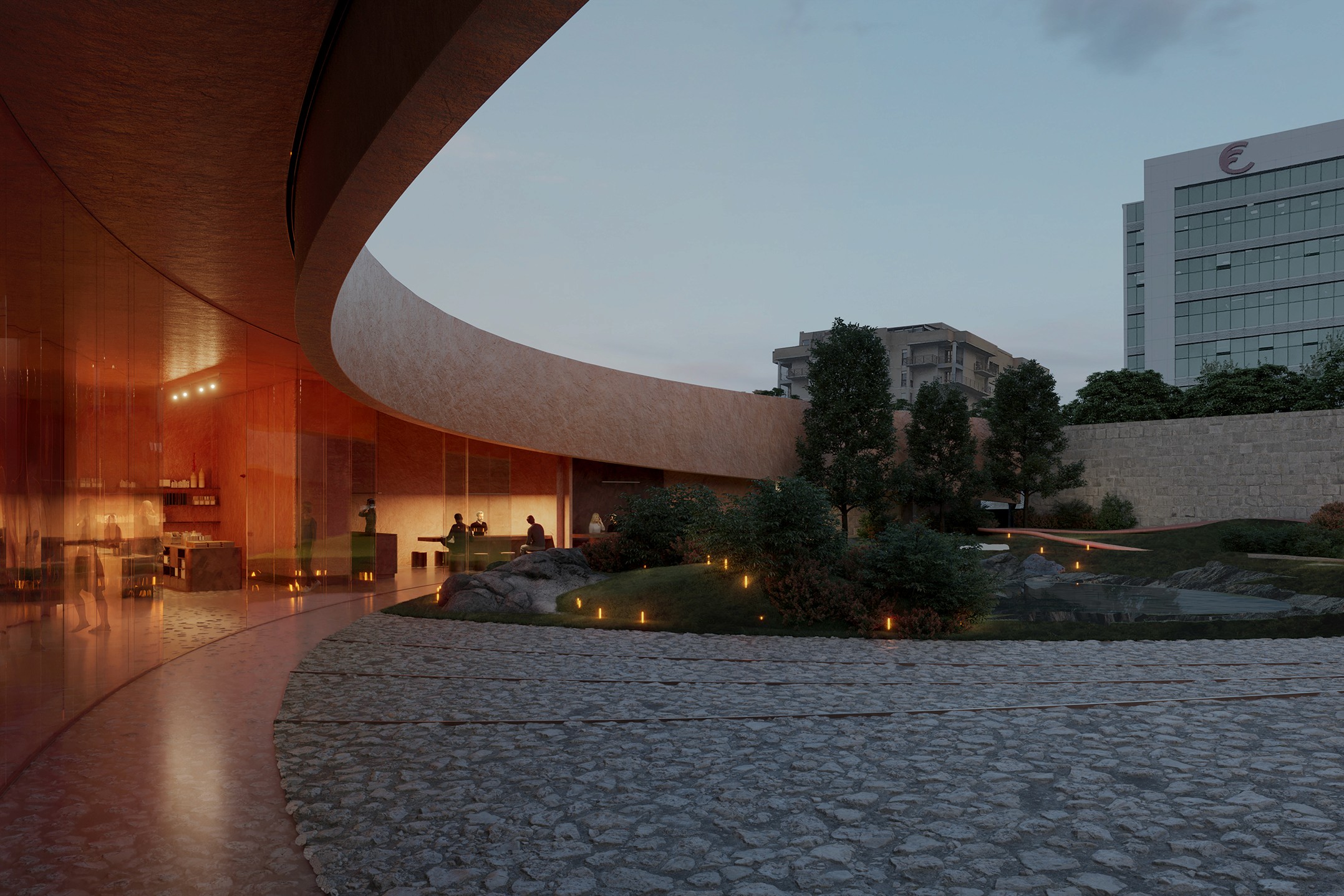
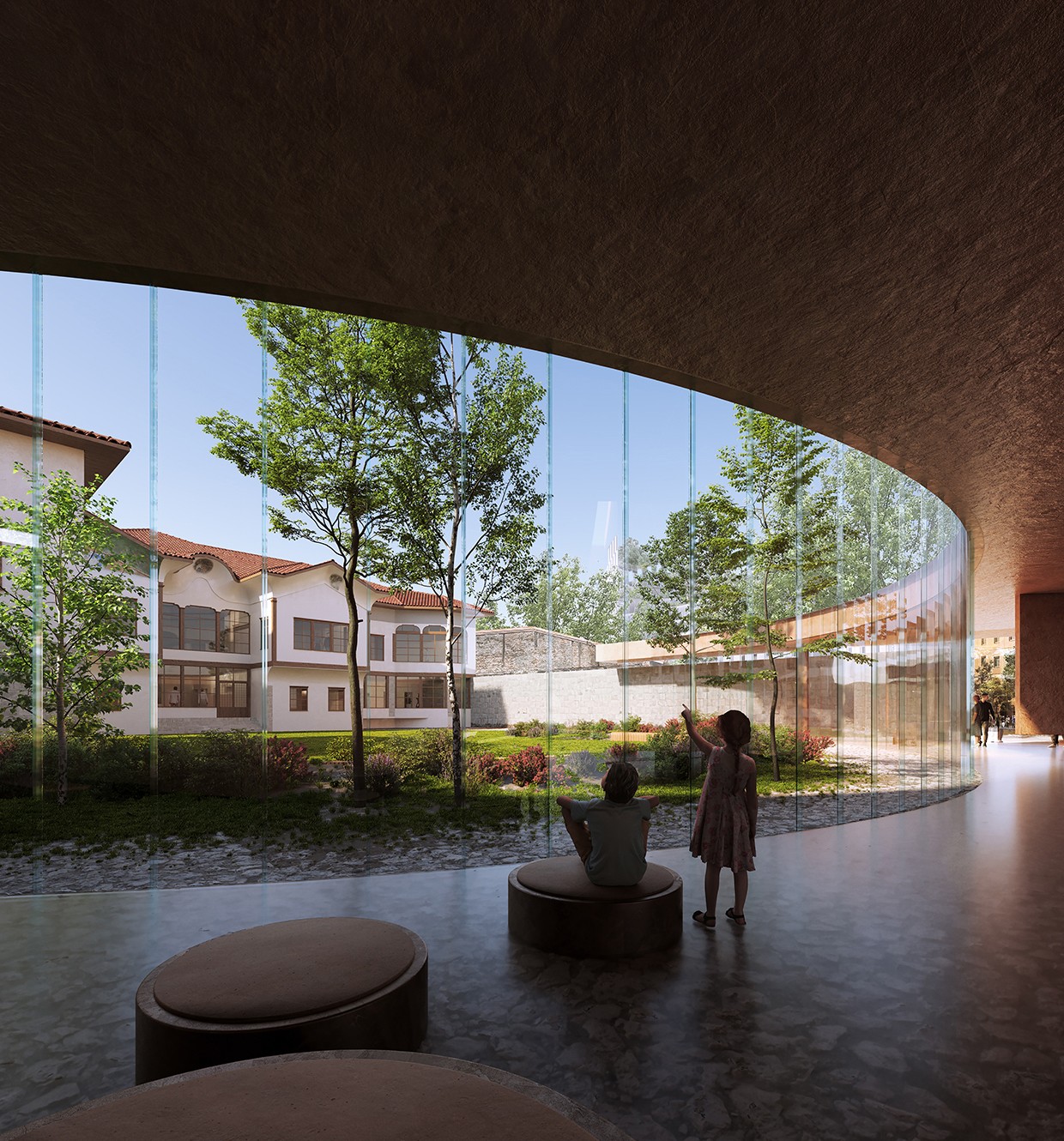
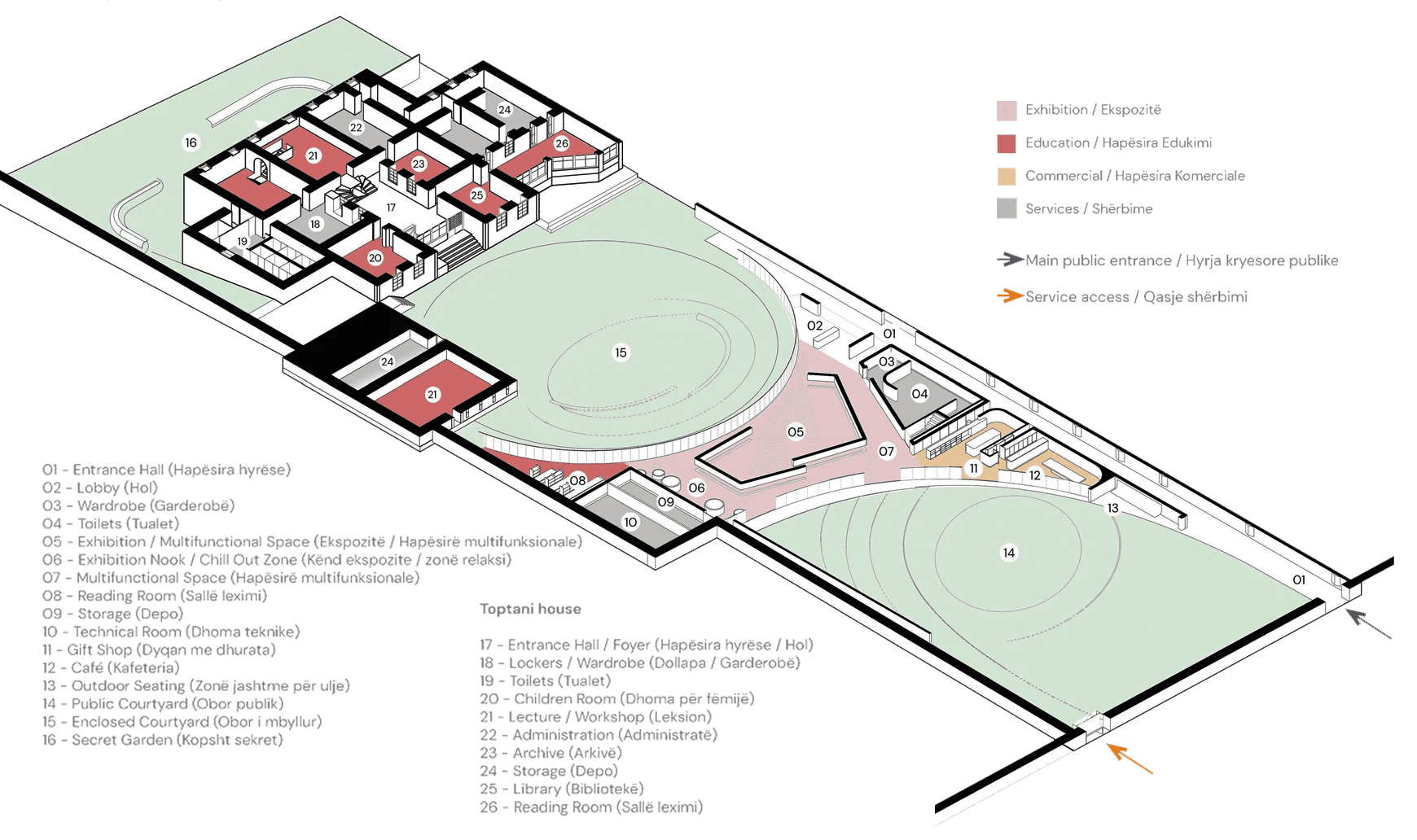
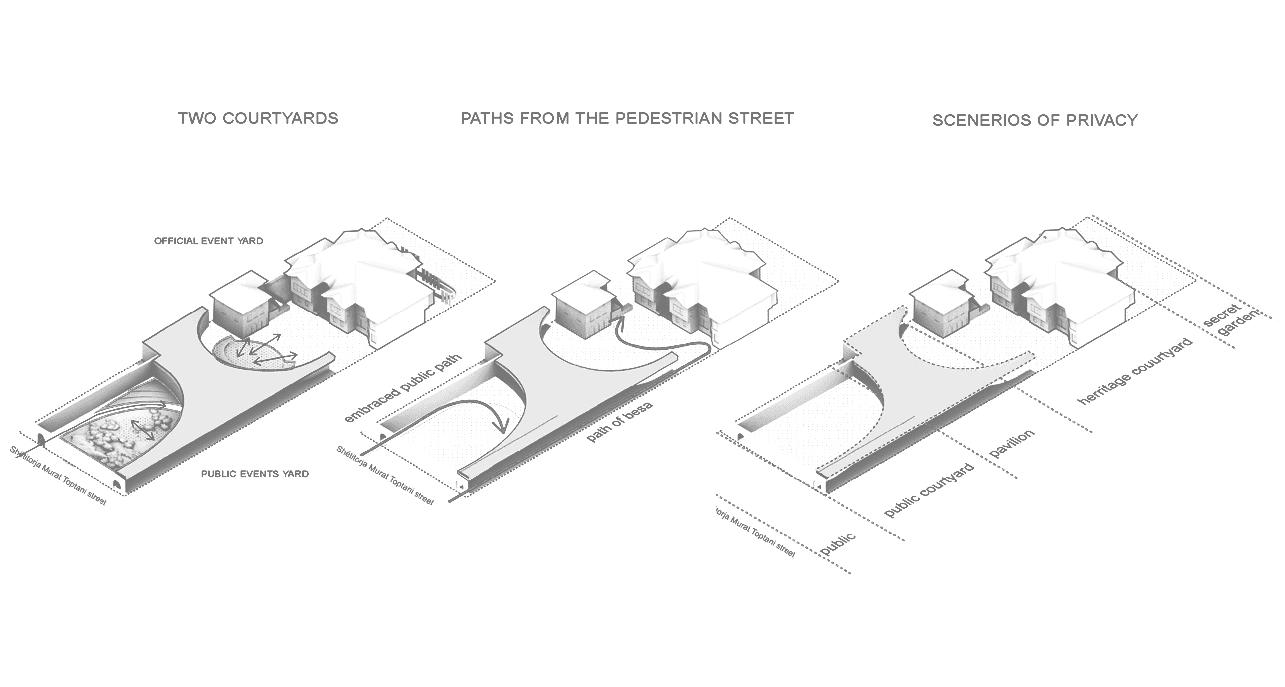
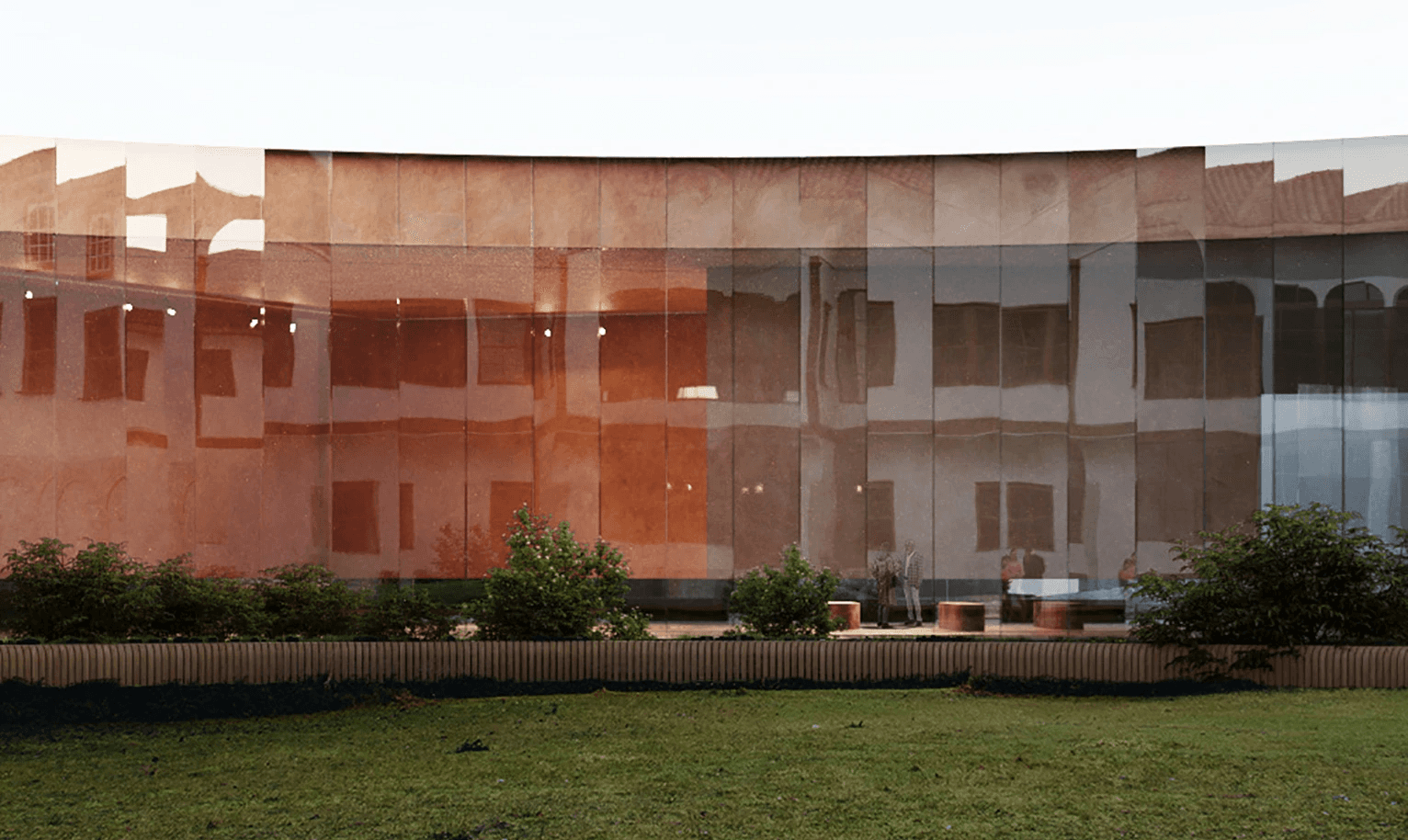
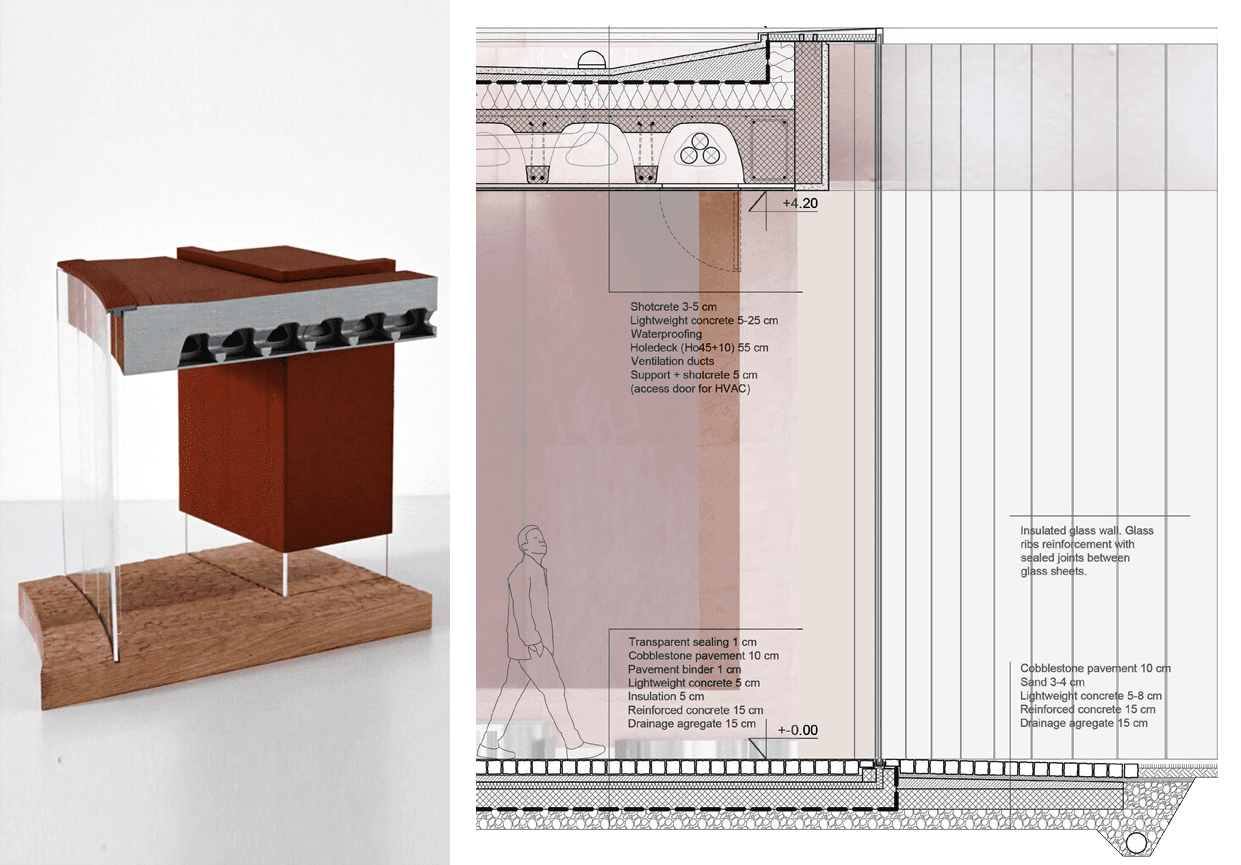
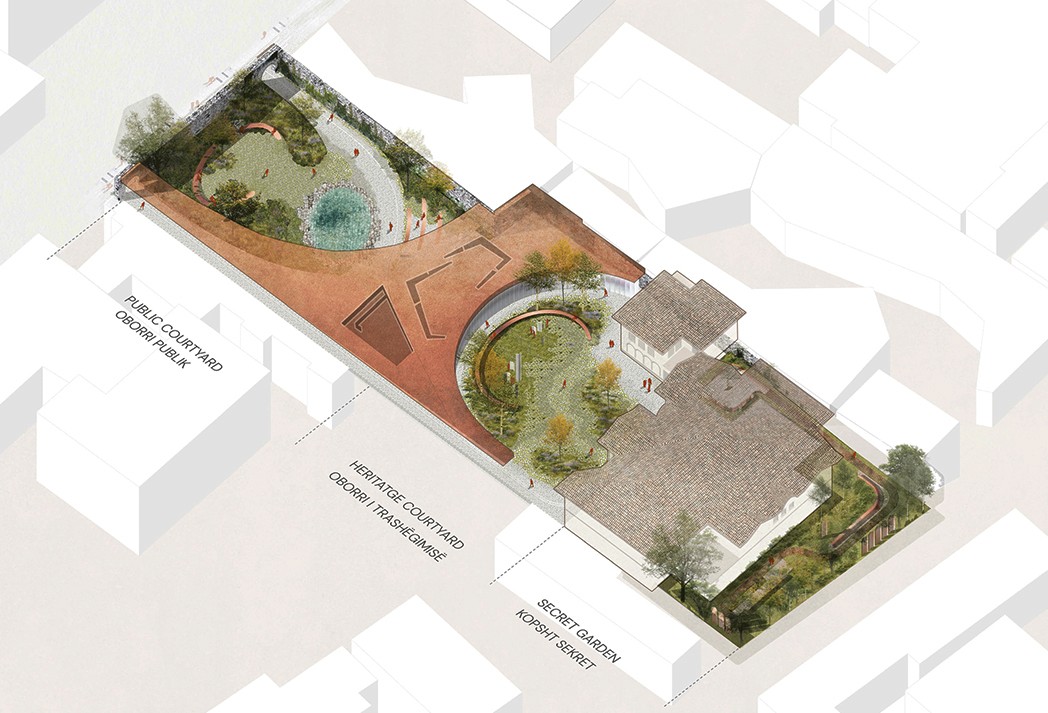
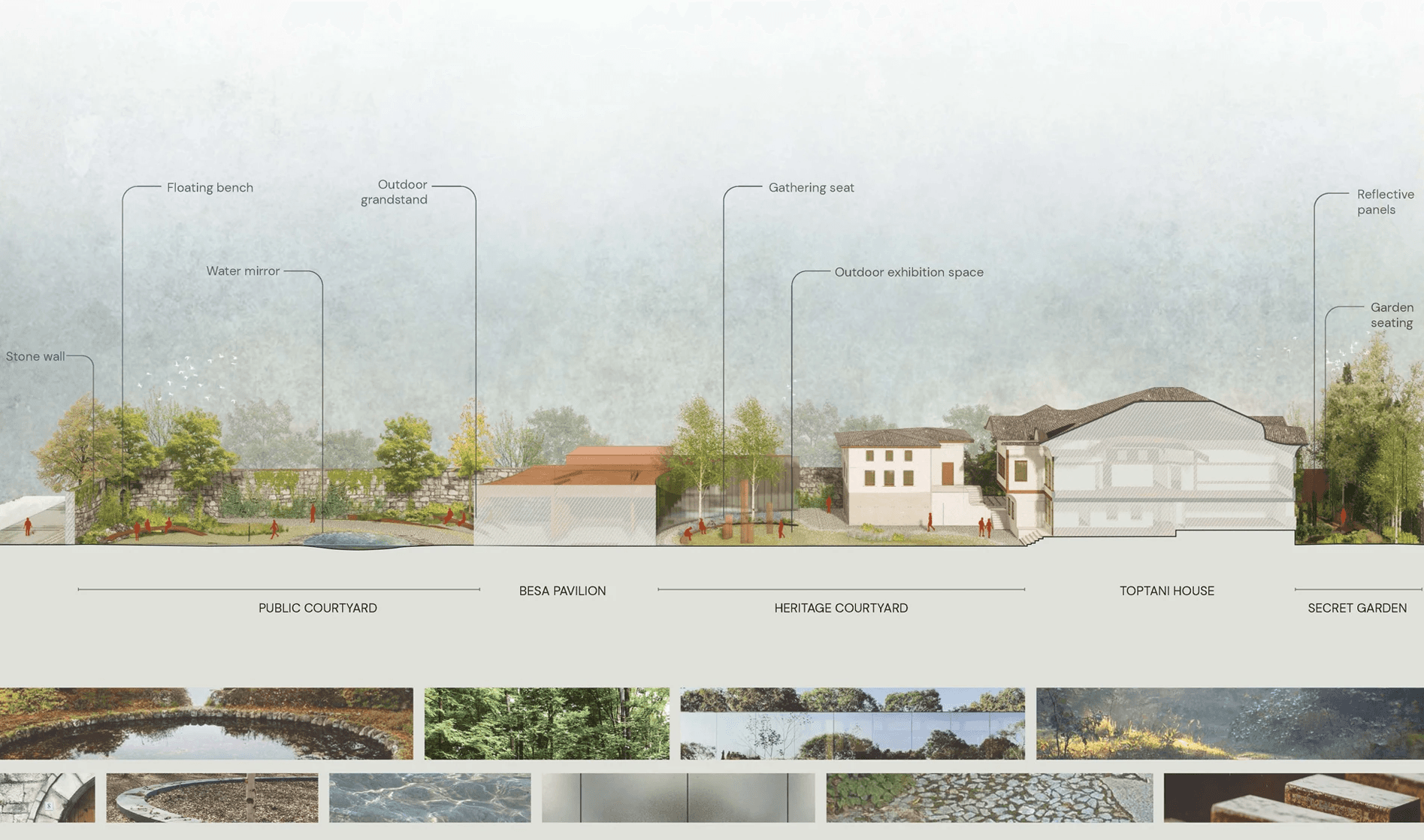
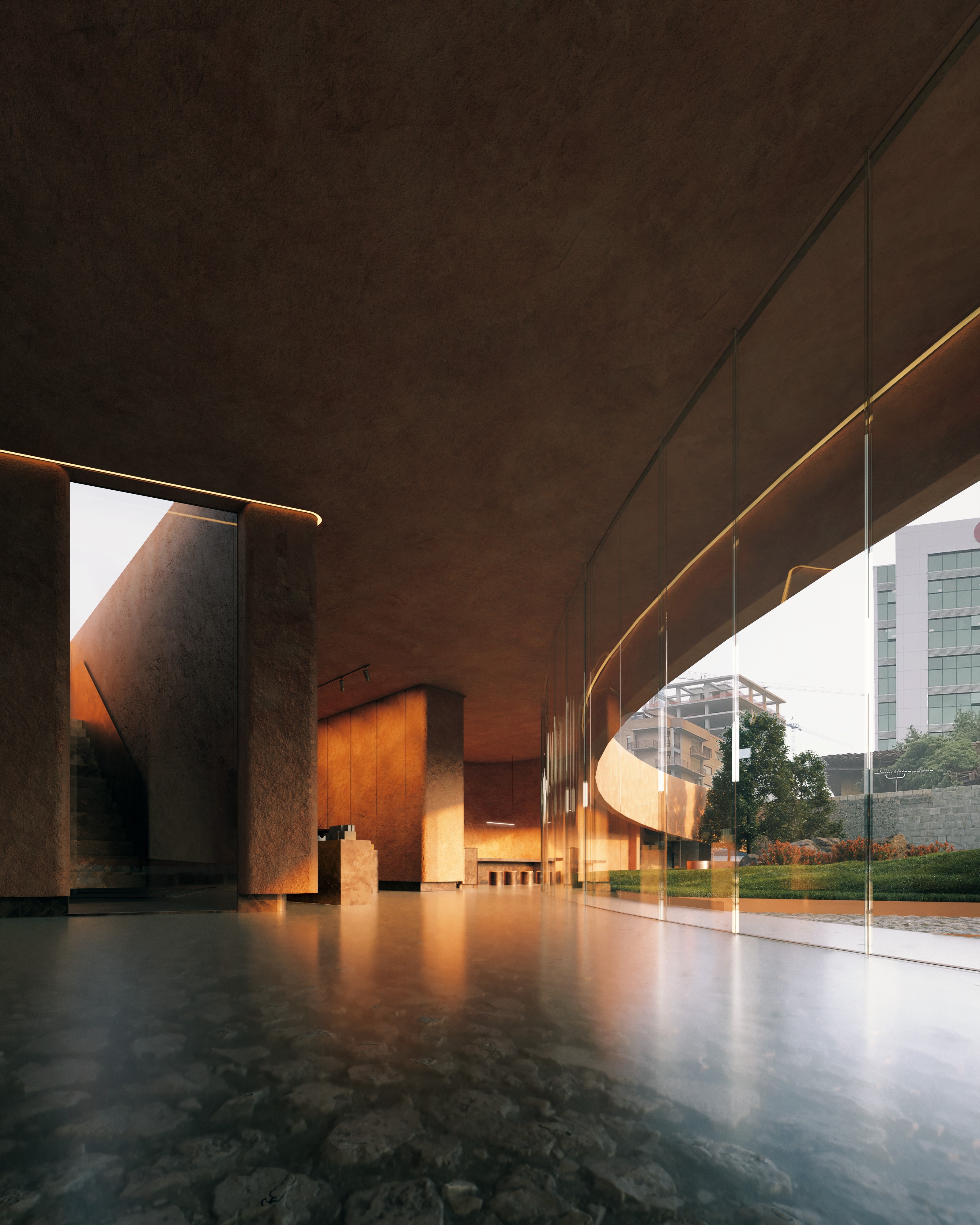
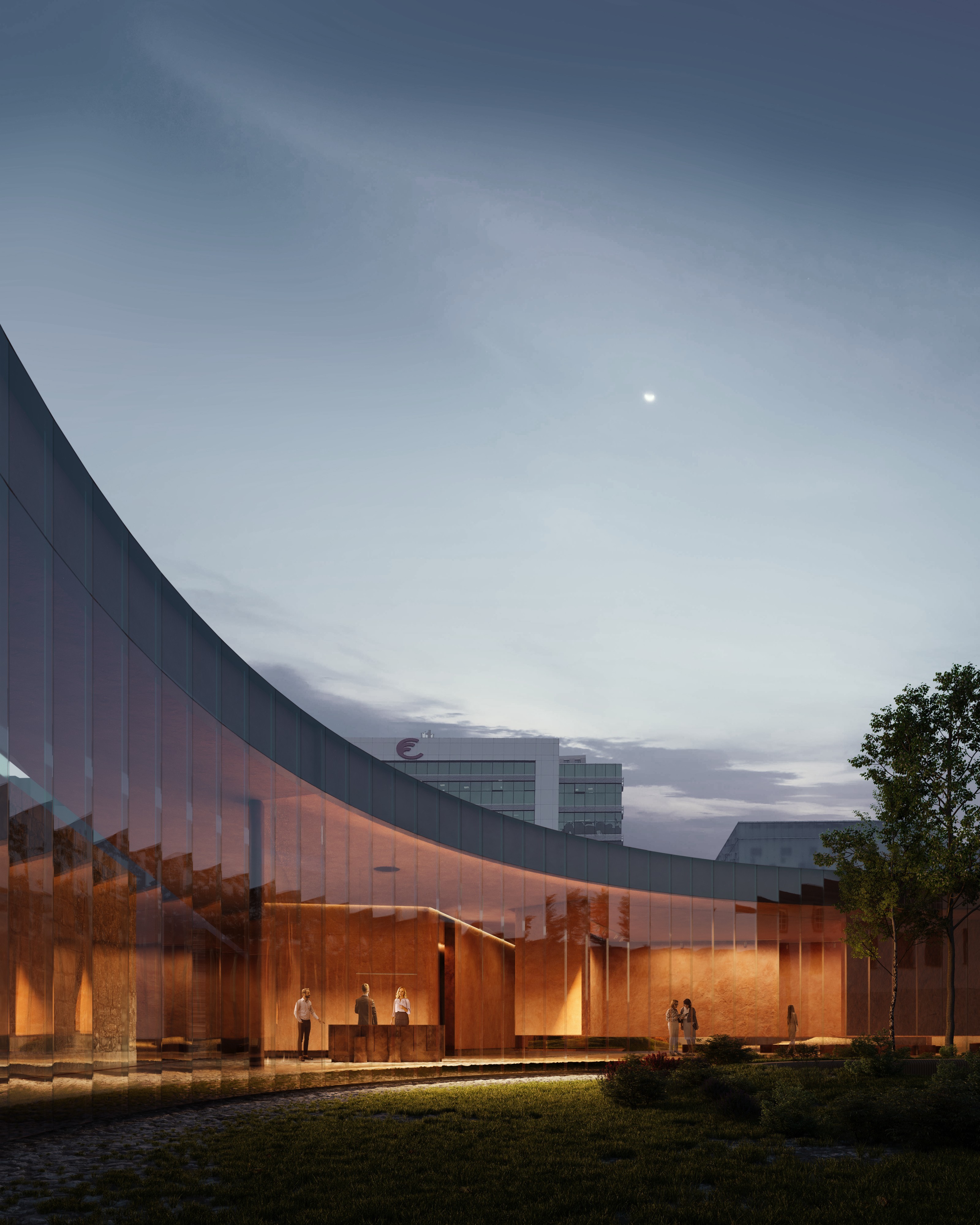
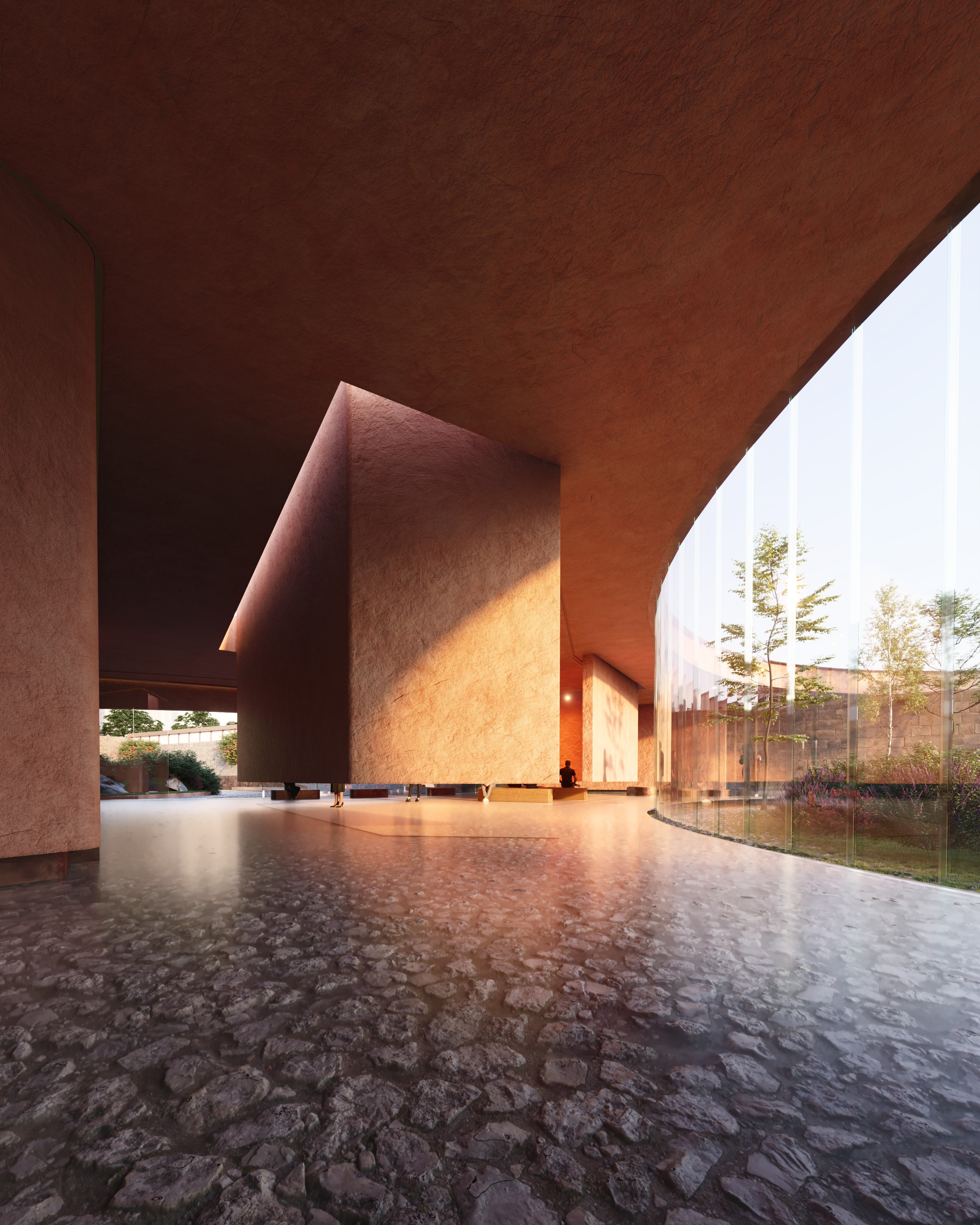
Competition Entry | Shortlisted project The idea of two yards shapes the project’s core concept. Positioned at their intersection, the pavilion becomes a dialogue between past and future. Together, the yards frame both a cultural monument and a welcoming public space within the museum. The first yard is outward-facing, connected to the fortification wall and pedestrian street. It introduces visitors to the pavilion, filtering views toward the Path of Besa and the Toptani Villa. The pavilion’s arched form creates a gesture of invitation, guiding movement deeper into the site. The second yard is more intimate and closely tied to the site’s heritage. With the pavilion, it embraces the Toptani House, honoring it as a historic landmark. Its curved, reflective form highlights the villa’s architectural details, creating a contemplative space of memory and reflection. Beyond spatial function, the yard carries symbolic meaning. In the context of Besa and World War II, it represents protection, shelter, and family — echoing Albania’s refuge for Jews fleeing across Europe. The yard becomes both a physical and symbolic space of safety and embrace. Together, the yards form the connective tissue of the Besa Museum, linking the Dialogue Pavilion, Sellamlek, and Toptani House into a unified spatial and cultural experience. Sub-Consultants: Arc-S - Structural design Lj-Group - Landscape architects, Archispace -Local partner EDIT - Archviz
Competition Entry | Shortlisted project The idea of two yards shapes the project’s core concept. Positioned at their intersection, the pavilion becomes a dialogue between past and future. Together, the yards frame both a cultural monument and a welcoming public space within the museum. The first yard is outward-facing, connected to the fortification wall and pedestrian street. It introduces visitors to the pavilion, filtering views toward the Path of Besa and the Toptani Villa. The pavilion’s arched form creates a gesture of invitation, guiding movement deeper into the site. The second yard is more intimate and closely tied to the site’s heritage. With the pavilion, it embraces the Toptani House, honoring it as a historic landmark. Its curved, reflective form highlights the villa’s architectural details, creating a contemplative space of memory and reflection. Beyond spatial function, the yard carries symbolic meaning. In the context of Besa and World War II, it represents protection, shelter, and family — echoing Albania’s refuge for Jews fleeing across Europe. The yard becomes both a physical and symbolic space of safety and embrace. Together, the yards form the connective tissue of the Besa Museum, linking the Dialogue Pavilion, Sellamlek, and Toptani House into a unified spatial and cultural experience. Sub-Consultants: Arc-S - Structural design Lj-Group - Landscape architects, Archispace -Local partner EDIT - Archviz
Competition Entry | Shortlisted project The idea of two yards shapes the project’s core concept. Positioned at their intersection, the pavilion becomes a dialogue between past and future. Together, the yards frame both a cultural monument and a welcoming public space within the museum. The first yard is outward-facing, connected to the fortification wall and pedestrian street. It introduces visitors to the pavilion, filtering views toward the Path of Besa and the Toptani Villa. The pavilion’s arched form creates a gesture of invitation, guiding movement deeper into the site. The second yard is more intimate and closely tied to the site’s heritage. With the pavilion, it embraces the Toptani House, honoring it as a historic landmark. Its curved, reflective form highlights the villa’s architectural details, creating a contemplative space of memory and reflection. Beyond spatial function, the yard carries symbolic meaning. In the context of Besa and World War II, it represents protection, shelter, and family — echoing Albania’s refuge for Jews fleeing across Europe. The yard becomes both a physical and symbolic space of safety and embrace. Together, the yards form the connective tissue of the Besa Museum, linking the Dialogue Pavilion, Sellamlek, and Toptani House into a unified spatial and cultural experience. Sub-Consultants: Arc-S - Structural design Lj-Group - Landscape architects, Archispace -Local partner EDIT - Archviz
Credits
Credits
delivered @CHAP/CBH